 正版
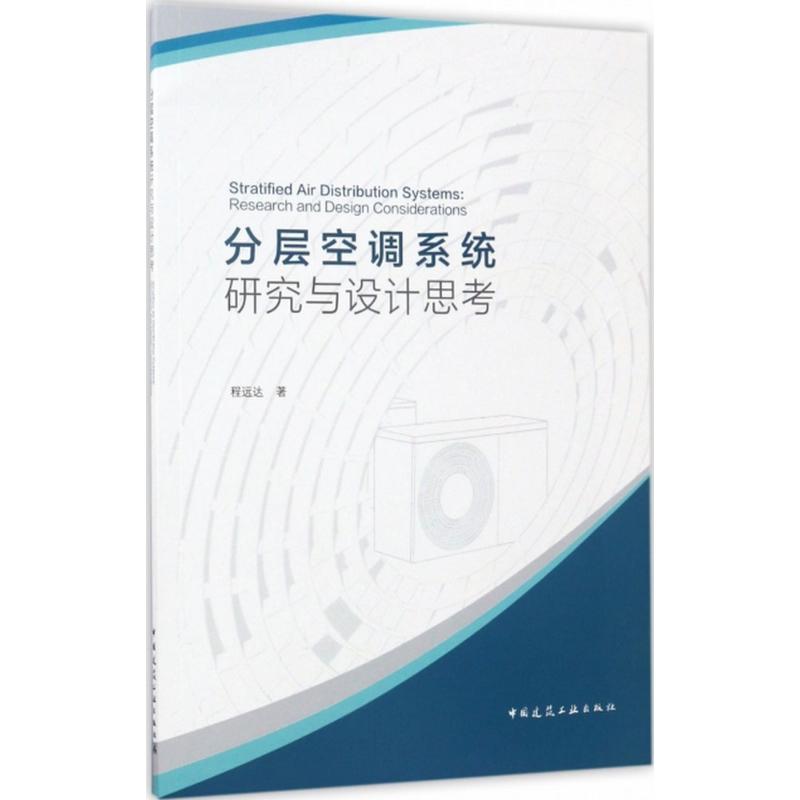
分层空调系统研究与设计思考
- 书名
- 分层空调系统研究与设计思考
- 作者
- 程远达 著
- 出版社
- 中国建筑工业出版社
- 出版时间
- 2017-06-01
- ISBN
- 9787112202218
- 货号
- 1201534805
- 品相
- 全新
- 分类
- 当代·艺术
- 书名
- 分层空调系统研究与设计思考
- 作者
- 程远达 著
- 出版社
- 中国建筑工业出版社
- 出版时间
- 2017-06-01
- ISBN
- 9787112202218
- 货号
- 1201534805
- 品相
- 全新
- 分类
- 当代·艺术
目录▼
Nomenclature
List of Abbreviations
Chapter 1 Introduction
1.1 Background
1.2 Objectives
1.3 Structure of the book
Chapter 2 Literature Review
2.1 Introduction
2.2 Performances of stratified air distribution systems
2.2.1 Indoor air quality
2.2.2 Thermal comfort
2.2.3 Energy consumption
2.3 Evaluation criteria for stratified air distribution systems
2.3.1 Indoor air quality evaluation
2.3.2 Thermal comfort evaluation
2.4 Key design parameters for STRAD systems
2.4.1 Space types
2.4.2 Heat source types and locations
2.4.3 Supply diffusersr characteristics
2.4.4 Layouts of exhaust and return grilles
2.4.5 Cooling load
2.4.5.1 Cooling load diversity
2.4.5.2 Cooling load calculation methods
2.4.6 Supply air flow rate
2.4.7 Stratification height
2.5 Integration of stratified air distribution system with personalized ventilation
2.6 Brief review on the CFD simulation for indoor airflow
2.7 Research gaps
2.8 Summary
Chapter 3 Comparisons of two typical thermal comfort models
3.1 Introduction
3.2 Different coupling procedures
3.3 CFD simulations
3.4 Comparison of thermal comfort evaluation results
3.5 Discussion and Summary
Chapter 4 Cooling coil load calculation method for stratified air distribution systemsand Experimental validation
4.1 Introduction
4.2 Energy saving and Cooling coil load calculation
4.3 Experimental Validation
4.3.1 Experimental chamber
4.3.2 Experimental devices and equipments
4.3.2.1 Thermal manikins
4.3.2.2 Thermocouples and data loggers
4.3.3 Experimental design
4.3.4 Experimental results
4.3.4.1 Thermal comfort
4.3.4.2 Energy saving and cooling coil load calculation
4.4 Summary
Chapter 5 Stratified air distribution in a small office
5.1 Introduction
5.2 CFD model validation
5.3 Further validation for the CFD model
5.4 Simulation cases
5.5 Simulation Results
5.5.1 Thermal comfort
5.5.2 Energy saving
5.5.3 Effective cooling load factors
5.6 Summary
Chapter 6 Stratified air distribution system in a large lecture theatre
6.1 Introduction
6.2 Lecture theatre configurations
6.3 Mesh generation and Boundary conditions
6.4 Local thermal environments in different rows
6.5 Different stratified air distribution designs
6.5.1 Simulation cases description
6.5.2 Airflow and temperature stratification
6.5.3 Thermal comfort
6.5.4 Occupied zone cooling load calculations
6.5.5 Energy saving
6.6 Different heights of return grilles
6.6.1 Simulation cases description
6.6.2 Thermal comfort
6.6.3 Energy saving
6.6.4 Effective cooling load factors
6.7 Discussion and Summary
Chapter 7 Alternative stratified air distribution designs in a terminal building
7.1 Introduction
7.2 Simulation case descriptions
7.2.1 Hall geometry and air distribution designs
7.2.2 Simulation cases and heat gains
7.2.3 Mesh generation and boundary conditions
7.3 Simulation results
7.3.1 Temperature and velocity distributions
7.3.1.1 Different air distribution designs
7.3.1.2 Different supply diffuser locations
7.3.1.3 Different return grille locations
7.3.2 Thermal comfort
7.3.2.1 Different air distribution designs
7.3.2.2 Different supply diffuser locations
7.3.2.3 Different return grille locations
7.3.3 Energy savings
7.4 Effective cooling load factors
7.5 Conclusions
Chapter 8 Conclusion and recommendations for future work
8.1 Conclusions
8.2 Limitations and future work
References
文摘▼
对于分层空调系统的设计,要求扬长避短,尽可能充分地突显出系统本身的优点优势,又尽量避免系统可能造成的通风问题。主动型分层空调系统将回风口和排风口独立布置,为系统提供更大的节能空间。因此,《分层空调系统研究与设计思考(英文版)》主要针对主动型分层空调系统进行研究,深入分析其气流流动特征及节能机理,优化系统结构实现系统优势的大化。在此基础上,《分层空调系统研究与设计思考(英文版)》致力于分层空调系统完整设计计算体系的建立,包括人体活动区域负荷及与之对应的系统送风量和系统制冷机组负荷计算方法的研发等,从而为分层空调的合理设计提供可靠的参照和依据。