
 正版
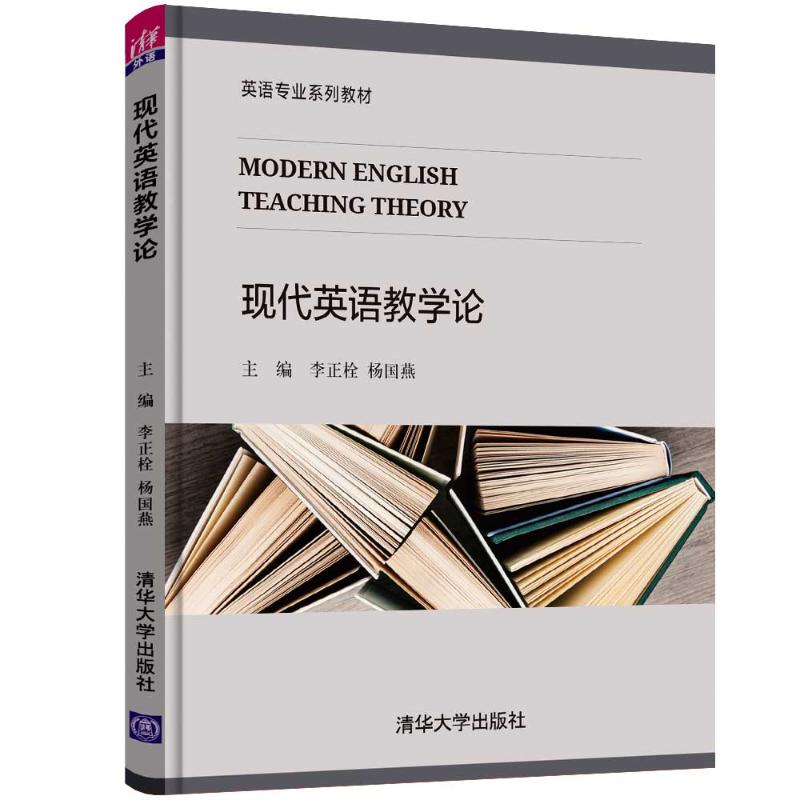
现代英语教学论
- 书名
- 现代英语教学论
- 作者
- 李正栓、杨国燕、贾萍、谷素华
- 出版社
- 清华大学出版社
- 出版时间
- 2017-03-01
- ISBN
- 9787302506713
- 货号
- 1201770067
- 品相
- 全新
- 分类
- 涉及近代·语言文字
- 书名
- 现代英语教学论
- 作者
- 李正栓、杨国燕、贾萍、谷素华
- 出版社
- 清华大学出版社
- 出版时间
- 2017-03-01
- ISBN
- 9787302506713
- 货号
- 1201770067
- 品相
- 全新
- 分类
- 涉及近代·语言文字
目录▼
Chapter 1 The National English Curriculum and Development of
Learners Core Qualities
Introduction to the National English Curriculum
Objectives Structure in the National English Curriculum (2001)
Performance Standards for Different Levels of Competence
The Importance of Development of Core Qualities
Basic Connotation of Learners Core Qualities
Main Performance of Development of Learners Core Qualities
Discussion
Chapter 2 A Historical Overview of English Language Teaching
Methodology in China
Grammar-Translation Method and Direct Method
Oral Approach and Audio-Lingual Method
Natural Approach
Cognitive Approach
Other Teaching Methods Influencing English Language Teaching
(ELT) in China
Discussion
Chapter 3 Communicative Approach
Development of Communicative Approach
Theory of Communicative Approach
Characteristics of Communicative Approach
Caveats of Communicative Approach
Objectives of Communicative Approach
Teachers Role in Communicative Approach
Techniques of Communicative Approach
Designing Communicative Activities
Comparison Between Audio-Lingual Method and Communicative
Approach
Impact of Communicative Approach on English Language Teaching in
China
Excuses for Avoiding Communicative Approach in English Classes
Suggestions
Discussion
Chapter 4 Alternatives of Communicative Approach
Whole Language Education
Neurolinguistic Programming
Cooperative and Collaborative Learning
Content-Based Instruction
Theme-Based Instruction
The Lexical Approach
Discussion
Chapter 5 Experiential Learning
Implications of Experiential Learning
Role of Experience in Learning
Foundations of Experiential Learning
Basic Model of Experiential Learning
Characteristics of Experiential Learning
Settings in Experiential Learning
Reflection and Motivation in Experiential Learning
Discussion
Chapter 6 Task-Based Language Teaching
Defining Tasks
Goals and Outcomes in Task-Based Instruction
Features of Task-Based Learning
The Practice of Tasks and Skills
Types of Learning Activities
Roles of Learner and Teacher
Starting Points for Tasks
Defining Text-Based Tasks
Designing Text-Based Tasks
Planning a Text-Based Task Lesson
Discussion
Chapter 7 Inquiry Learning
Definition of Inquiry Learning
Characteristics of Inquiry Learning
Significance and Objectives of Inquiry Learning
Strategies of Inquiry Learning
Developing Students Questioning Skills in Inquiry Learning
Application of Inquiry Learning
Assessment of Inquiry Learning
Discussion
Chapter 8 Interactive Language Teaching
Defining Interaction
Interactive Principles
Roles of the Interactive Teacher
Developing Questioning Techniques for Interactive Learning
Two Major Activities That Can Motivate Interaction
Discussion
Chapter 9 Instructional Planning
Importance of Instructional Planning
Attention to Concept Maps of the Lesson Plan
Five Parts of a Lesson or Unit Plan
Some Incomplete Plans
The Principles for a Lesson Plan
Component of a Lesson Plan
Discussion
Chapter 10 Classroom Management
Routines of a Lesson
Patterns of Classroom Interaction
Troubleshooting
Discipline in the Language Classroom
Using Teaching Aids
Correction of Mistakes
Evaluation of a Teachers Lesson
Self-evaluation
Discussion
Chapter 11 Questioning Skills
The Importance of Classroom Questions
What Do We Know About Questioning
The Seven Habits of Highly Effective Questioners
The Six Levels of the Taxonomy on Questioning
Teacher Feedback
Discussion
Chapter 12 Tips for Solving Classroom Problems
Preventing Problem Behavior
Reacting to Problem Behavior
What If Students Are All at Different Levels
What If the Class Is Very Big
What If Students Keep Using Their Own Language
What If Students Are Uncooperative
What If Students Dont Want to Talk
What If Some Students-in-groups Finish Before Everybody Else
Discussion
Chapter 13 Teaching Skills and Classroom Activities
Tasks
Classroom Activities
Using Games in Classroom
Using Pictures in Classroom
Techniques and Skills of English Language Teaching
More Suggestions on Language Teaching Techniques
Communicative Activities
Discussion
Chapter 14 Multiple Intelligences and English Language
Teaching
Definition of Multiple Intelligences
Classification of Multiple Intelligences
Theory of Multiple Intelligences
Key Points in Applying Multiple Intelligences
viii
ODERN ENGLISH TEACHING THEORY M现代英语教学论
Other Intelligences
Stages in Teaching with Intelligences
Multiple Intelligence Tool Box
Learning Activities for Multiple Intelligences
Exemplification
Discussion
Chapter 15 Learner Autonomy in the Language Classroom
Defining Autonomy
Principles for Fostering Autonomy in the Language Classroom
The Autonomous Learner
How to Help Learners in Autonomy
Learning Styles and Strategies
Teachers Role
Effective Ways of Promoting Greater Learner Independence
and Autonomy
Discussion
Chapter 16 Action Research
Defining Action Research
Characteristics of Action Research
Aims of Action Research
Steps in Action Research
How to Choose Your Research Topic
Methods and Techniques for Action Research
Guidelines for Conducting Action Research
Components of the Report
Action Research Case Study
Discussion
Chapter 17 Technology and Language Teaching
Why to Use Technology in Language Teaching
Technology in the Language Classroom
The Language Laboratory
Computer-Assisted Language Learning (CALL)
Teaching with Video
Multimedia-Assisted Language Teaching
Problems of Using Technology in Language Teaching
Discussion
Chapter 18 Assessment of Language Proficiency
Test, Measurement, Evaluation, and Assessment
Criteria for Measuring a Test
Classification of Tests
Principles of Classroom Assessment and Evaluation
Principles for Designing Effective Classroom Tests
Practical Steps to Test Construction
Types of Test Items
Assessment of Students Language Proficiency
Processes of Creating Assessment Portfolio
Discussion
Bibliography
Appendix Ⅰ Glossary
Appendix Ⅱ Core Qualities for Chinese Students
Development
文摘▼
本书基于《英语课程保准》(实验稿)和教育部提出的“中国学生发展核心素养”,旨在培养当前我国师范毕业生的教学意识、教学方法,启发他们的教学思路。本书共分为十八个章节,涉及中国英语教学的发展历程、交际原则、体验学习、任务型教学、自主学习、教案设计、多智能教学策略等内容。既适用于英语专业师范生和基础教育一线英语教师,又为备考英语教师资格证书的考生提供学习与参考。